Custom Beat Production in DC: How to Get a Beat That Fits You
You've been writing over YouTube type beats for months. Some of them are close, but none of them feel like yours, and half the artists in your city are rapping over the same ones. That's usually the moment you start looking for custom beat production in DC. A beat built around your voice, your pocket, and your story changes how the whole song lands. This guide covers how custom production works, what to bring, how to work with a producer, and what happens after the beat is done.
What is custom beat production?
Custom beat production means a producer builds an instrumental from scratch around your style, your vocal range, and the feeling you want the song to carry. Unlike a leased beat, it isn't made for everyone. It's made for one artist and one record, so it can fit your flow, your hooks, and your brand.
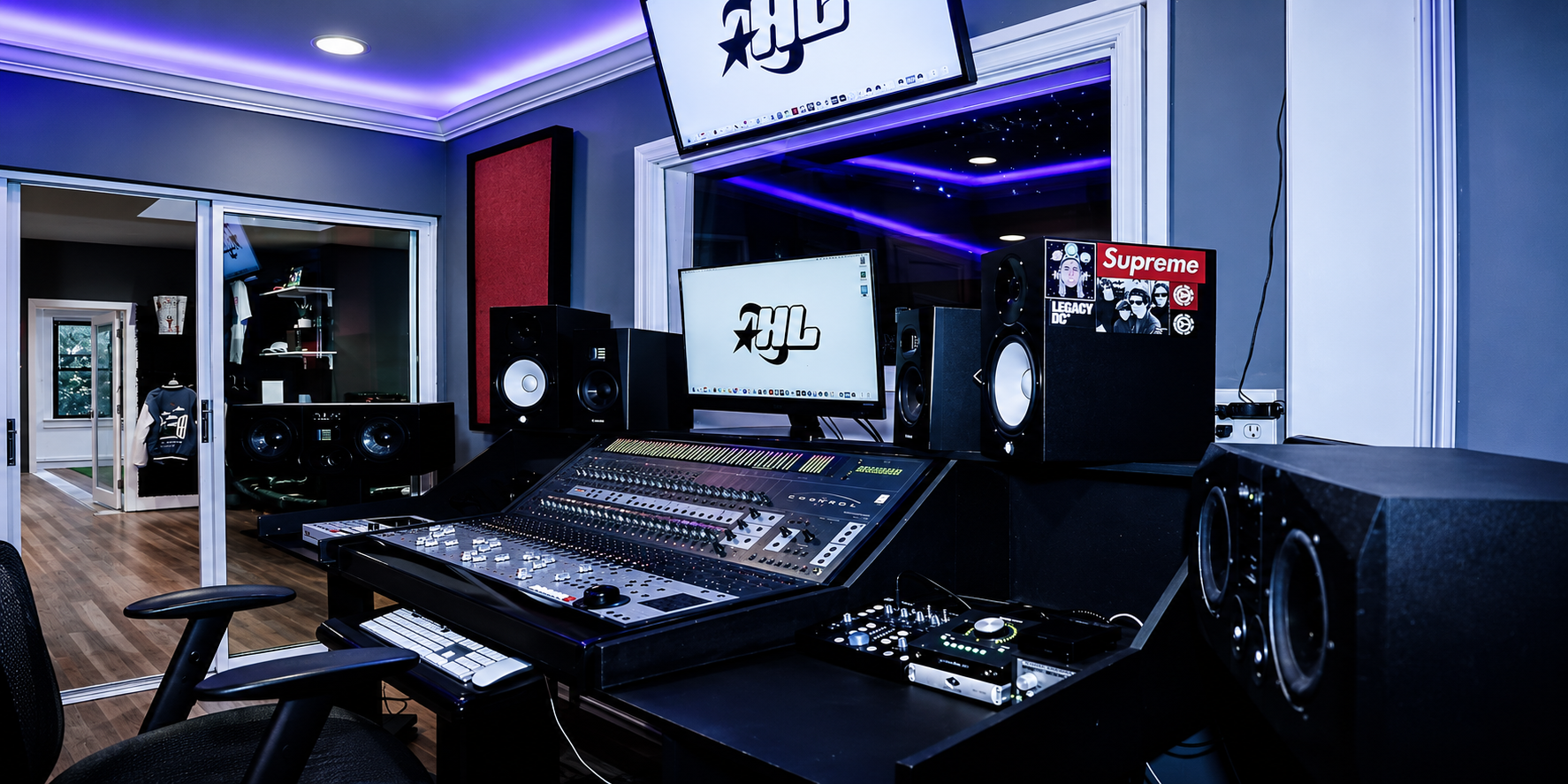
At HighLife Studios, producers craft instrumentals tailored to your vibe, or help source beats that complement your style. Studio musicians are also available to add live elements on top, which can push a track from good demo to finished record. You can read the full breakdown on the music production page.
Why work with a music producer in Washington DC?
A music producer in Washington DC can sit in the room with you, hear your voice live, and adjust the beat in real time. That back-and-forth is hard to get over email. You also get local engineers who can record, mix, and finish the song in the same studio once the beat is locked.
Being in the room matters more than most artists expect. A producer can hear that your verse needs more space in the low end, that the hook wants a drop, or that the tempo is two beats too fast for your cadence. Those small calls are what make a beat feel built for you.
The HighLife Studios team primarily specializes in Pop, Hip-Hop and Rap, R&B, EDM, Reggaeton, and Afrobeat, and has also worked with artists in Jazz, Rock, Country, and Gospel. The DC studio sits at 3307 Connecticut Ave NW in Cleveland Park, about a two-minute walk from the Red Line, so it's easy to reach from across the DMV. Take a look at the room and gear on the Washington DC studio page.
How do you prepare for a custom beat session?
Come with direction. Bring two or three reference tracks, any voice memos or melody ideas, and a clear sense of the mood you want. You don't need a finished song. The more you share up front, the faster your producer can dial in a sound that feels like you.
Here's a simple checklist that helps:
- Reference tracks: songs whose drums, bounce, or energy you love, even if they're in different genres
- Voice memos: a hummed hook, a melody, or a rough flow you've been carrying around
- Lyrics or concepts: even a few lines help the producer match the beat to the story
- Samples or loops: if you have something specific in mind, bring it along
- A drive for your files: files aren't stored on site, so bring an external or flash drive
HighLife Studios encourages artists to bring their own ideas, sample loops, voice memos, or references. As the production team puts it, the more direction you provide, the more tailored and collaborative the session will be.
How much creative control do you keep?
You keep as much creative control as you want. Some artists guide every snare and hi-hat, while others trust the producer to shape the sound and react to it. Either way, a good custom session is a collaboration, and the final beat should reflect your vision, not the producer's ego.
If you're early in your career, it's worth leaning on the producer's ear a bit more. HighLife Studios also offers pre-production planning and creative direction, which means working with you on your identity as an artist, the feelings you want to convey, and where you want to go sonically. That's how a single custom beat can grow into a consistent sound across a whole project.
What happens after the beat is finished?
Once the beat is locked, you record vocals, then the track gets mixed and mastered so it's ready for streaming. Many artists track right away while the energy is fresh. Producers can also help with songwriting, vocal arrangements, and vocal coaching so your performance matches the quality of the beat.
Here's how the rest of the process usually flows:
- Recording: track your vocals in the studio with an engineer who already knows the beat.
- Vocal arrangement: layer leads, harmonies, and background vocals so the record feels full.
- Mixing: balance the vocals and instrumental so every part sits clearly.
- Mastering: finish the song so it sounds polished and consistent on every platform.
Mixing can happen inside your booked session time, or separately for an additional fee. Mastering is always done after the session for an additional fee. See how that works on the mixing and mastering page. If this is your first time in a studio, read how music studio production brings a song to life before you book.
Can you pick only the services you need?
Yes. You can book full start-to-finish production, or choose only what you need, like custom beats, vocal coaching, or songwriting help. That flexibility lets you match the work to your project and your budget instead of paying for a package you won't use.
Rates for custom production aren't posted publicly, because every project is different. The fastest way to get a real answer is to tell the production team about your song and goals. For studio time, current rates, deposits, and payment details are listed on the HighLife Studios FAQ page.
Ready to hear a beat built for you?
Your voice deserves an instrumental that was made for it. Reach the HighLife Studios production team at (202) 930-2543 or through the contact form on the music production page, share your references, and start building a sound that's yours. Elevate your sound. Bring your voice to life.
FAQs
1. What's the difference between a custom beat and a leased beat? A leased beat is made once and licensed to many artists, so others may be using the same instrumental. A custom beat is built for you and your song. It's shaped around your voice, tempo, and style, so it sounds like your record from the first bar.
2. Do I need a finished song before a custom beat session? No. You can come in with a complete song, a rough idea, or just a vibe. HighLife Studios producers can help with songwriting, beat production, and vocal arrangements to build your track from the ground up.
3. What genres do HighLife Studios producers work in? The team primarily specializes in Pop, Hip-Hop and Rap, R&B, EDM, Reggaeton, and Afrobeat. They have also worked with artists in Jazz, Rock, Country, and Gospel, and can pair you with the right producer for your project.
4. Can I bring my own samples or reference tracks? Yes, and it's encouraged. Reference tracks, sample loops, voice memos, and melody ideas help your producer understand your vision faster. The more direction you share, the more tailored the session becomes.
5. Can HighLife Studios provide a beat for a regular recording session? Yes. You can choose from the studio's current beat library, get help sourcing a beat from another library, or request custom beat production. Contact the team before your session so the beat can be planned in.
6. How do I get started with custom beat production in DC? Call the production team at (202) 930-2543 or send a message through the form on the music production page. Share your references and goals, and the team will reach out to get you started.
