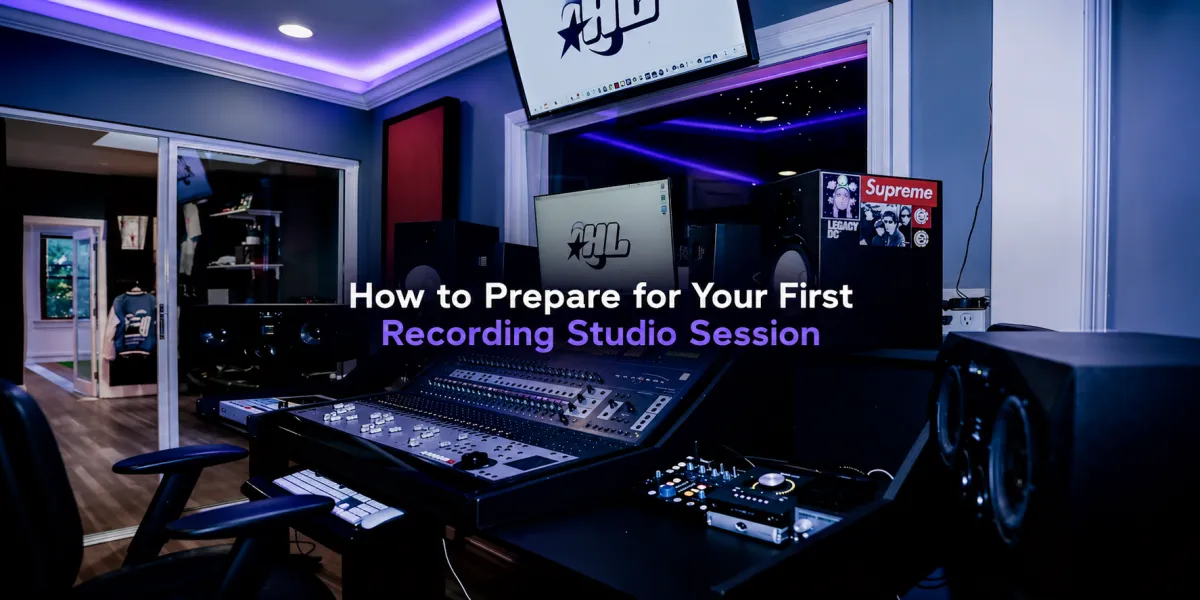
How to Prepare for Your First Recording Studio Session
Booking your first recording studio session is exciting, but it's normal to feel a little unsure about what actually happens once you walk through the door. Do you need to bring your own gear? How early should you show up? What if you haven't finished writing your last verse? These are the questions almost every first-timer asks, and they're worth answering before you ever set foot in the building. A little preparation goes a long way toward a smooth, productive session. Whether you're laying down vocals, recording a podcast episode, or tracking an instrumental, knowing what to expect beforehand means you'll spend less time guessing and more time actually creating.
What to Expect at Your First Recording Studio Session
Walking into a professional studio for the first time can feel unfamiliar, but the process is simpler than most people expect. At HighLife Studios, every session starts with a quick conversation between you and your engineer about the sound you're going for and how much time you have booked. The basics stay the same whether you've booked a music session or a podcast recording session, though your engineer may ask a few different setup questions depending on the format. From there, the engineer handles the technical side, so you can stay focused on your performance instead of worrying about levels or signal chains.
Before You Walk In
Most studios ask you to arrive a few minutes early to get settled, sign in, and run through any last-minute questions. This is also a good time to mention any specific requests about the room, like lighting or seating, that might affect your comfort during a longer session.
Meeting Your Engineer
You'll be working alongside experienced engineers who record sessions every day, so don't be afraid to ask questions or request a practice take before you commit to a final one. A good engineer reads the room and adjusts their approach for nervous first-timers and seasoned regulars alike, which is part of what makes a strong engineer worth booking in the first place.
How to Prepare Your Material Before the Session
The single biggest factor in how smoothly your recording studio session goes is how prepared your material is before you arrive. Studio time is valuable, and the less time you spend figuring out lyrics or structure on the spot, the more time you'll have for actual takes.
Have Your Beat or Instrumental Ready
If you're recording vocals, bring a finished or near-finished instrumental in a common file format on your storage device. If you haven't found the right sound yet, most studios, including ours, offer custom beat production so you're not starting from scratch on session day.
Know Your Lyrics or Talking Points
Whether you're rapping, singing, or hosting a podcast episode, write out your lyrics or talking points ahead of time. Reading from a phone screen works in a pinch, but a printed sheet or a notes app with large text tends to keep you from losing your place mid-take.
Practice Timing and Pacing
Run through your material out loud at home, ideally against the actual instrumental, so you have a feel for pacing before the clock starts. This one step eliminates a surprising number of wasted takes.
What to Bring to Your Recording Session
A short checklist can save you an awkward moment at the front desk and keep your recording session moving once you're in the room.
Valid Identification
Most studios require a valid ID to check in, especially for evening or late-night sessions. Keep it in the same bag as your other session materials so you're not searching for it at the last minute.
A Storage Device for Your Files
Session files typically aren't kept on-site after you leave, so bring a USB drive or another storage device to walk out with your recordings the same day. This one detail catches a lot of first-timers off guard, so it's worth setting a reminder the night before.
Optional Extras That Help
A water bottle, a notebook for last-minute lyric changes, and your own headphones if you have a preferred pair can all make a long session more comfortable. None of these are required, but they're small things that add up.
Studio Etiquette and Session-Day Tips
A little studio etiquette goes a long way toward a session that feels relaxed instead of rushed.
Arrive Early and Stay Flexible
Traffic, parking, and finding the right suite can all eat into your booked time, so give yourself a buffer. Many studios take last-minute bookings and run extended hours, so if your schedule shifts, it's usually worth a quick call to see what's available rather than assuming you've lost your slot.
Silence Your Phone and Stay Present
Notifications and buzzing phones are one of the most common causes of a ruined take, so switch your phone to silent or airplane mode once you're in the booth. It sounds like a small thing, but a single unexpected buzz partway through an otherwise great take can mean starting over from the top.
Know Your Session Limits
Most recording rooms are built for solo artists, duos, or small groups rather than full bands, so check ahead if you're planning to bring more than one or two guests or need to track a full drum kit. A comfortably sized room helps the session move faster than a crowded one.
After the Session: Mixing, Mastering, and Next Steps
Recording is only the first step. Once your tracks are down, they typically move into mixing, where levels, effects, and balance get polished, followed by mastering, which prepares the final file for streaming or release. If you're not sure what your project needs next, ask your engineer before you leave, since it's easier to plan while the session details are still top of mind. Some artists like to book their next session on the spot while the momentum from the first one is still fresh. If you still have questions before you book, the team is happy to help over at our contact page.
Your first recording studio session doesn't have to be intimidating. Show up prepared, bring the basics, and trust the engineer in the room to handle the technical side. The artists who get the most out of their time are rarely the most experienced ones in the building. They're simply the ones who walked in ready.
