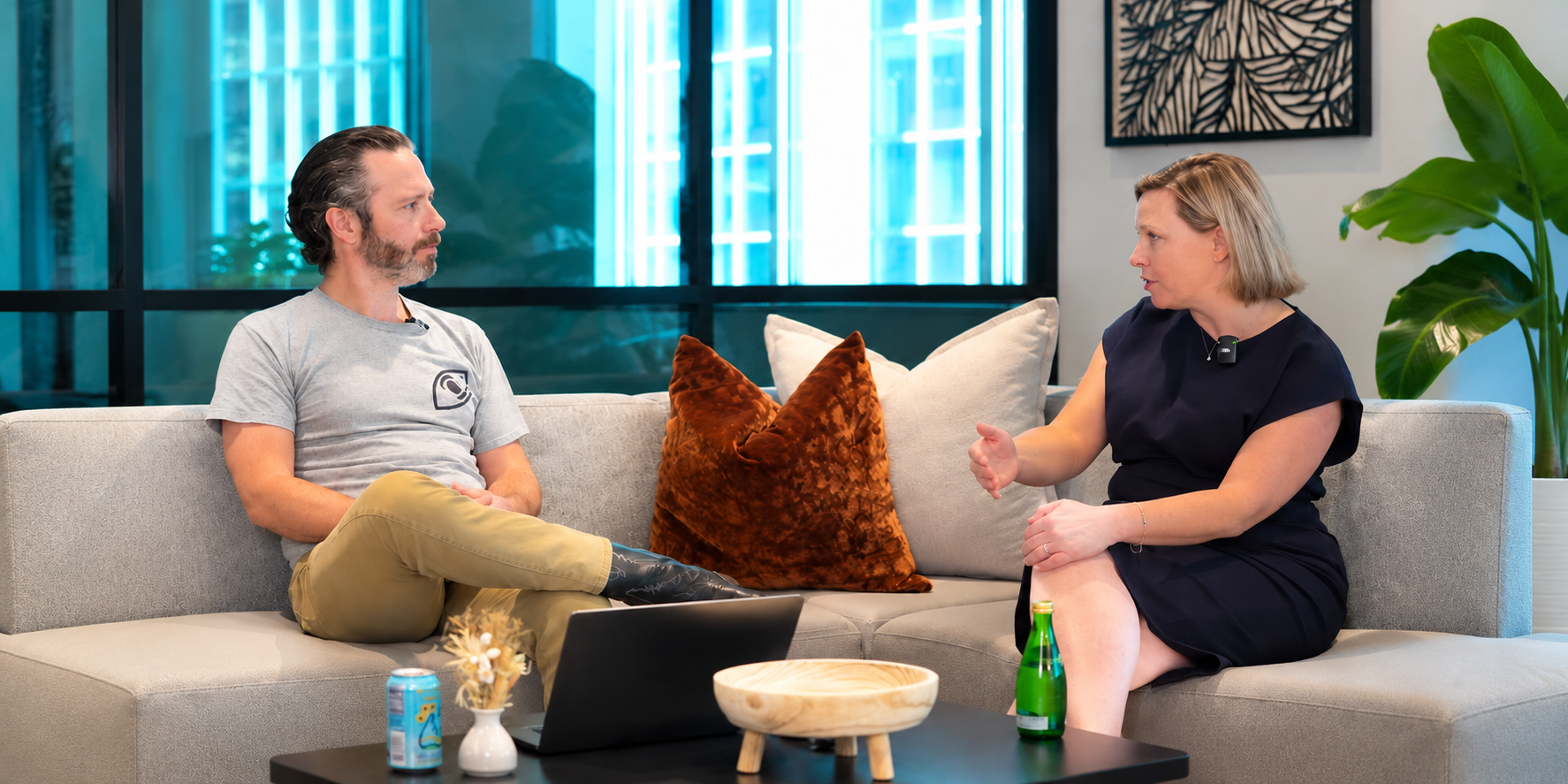
Why Brands Choose a Video Podcast Studio Washington DC
A few years ago, a company podcast was a nice extra. Today, it's one of the most effective ways for a brand to show its expertise, put real faces behind the logo, and stay in front of the people who matter. The catch is that audiences have high standards. Shaky webcam footage and echoey audio make even smart conversations feel amateur. That's why more organizations are booking a video podcast studio Washington DC teams can rely on, instead of trying to piece something together in a conference room. In this post, we'll look at what a professional studio actually gives your brand, how different teams put it to work, and how to plan a branded podcast that people want to watch.
Why Video Podcasts Matter for Brands
Audio podcasts still have loyal listeners, but video has reshaped how businesses share ideas. People want to see who's talking. They want to read facial expressions, catch the energy in a debate, and feel like they're sitting at the table.
Video Builds Trust Faster
When a customer watches your CEO explain a hard decision, or hears your lead engineer break down a complex product, they get a sense of who you are. That kind of trust is hard to build with a press release or a static ad. Seeing real people speak with confidence does a lot of the persuading for you.
One Recording, Many Assets
A single episode can feed your content calendar for weeks. Full episodes go on YouTube and your website. Short clips work for LinkedIn, Instagram, and TikTok. Quotes become graphics, and transcripts become blog posts or newsletters. When you start with clean multi-camera footage, every one of those pieces looks polished.
What a Video Podcast Studio Washington DC Gives Your Brand
The difference between a DIY setup and a professional room shows up the moment you hit play. Here's what you're really paying for.
Broadcast-Quality Audio
Viewers will forgive slightly imperfect video, but bad audio sends them away fast. Sound is the foundation of every good show.
Microphones Built for Speech
Dynamic broadcast microphones are designed to capture the voice clearly while rejecting room noise. Paired with a dedicated podcast console like the RodeCaster Pro II, they give each guest a rich, consistent sound without constant level adjustments.
Rooms That Sound Clean
Office spaces are full of hard surfaces that bounce sound around. A treated studio absorbs those reflections, so your voices sound close and natural instead of hollow.
Multi-Camera Video
A single static shot gets boring quickly. Multiple angles let editors cut between speakers, show reactions, and keep the pacing lively.
Cinema-Style Cameras
Cameras like the Sony FX30 and Sony A7III capture sharp, rich footage with a pleasing depth of field. That cinematic look signals quality before anyone says a word.
Lighting That Flatters
Proper studio lighting removes harsh shadows and keeps skin tones natural. Your guests look rested and confident, even after a long workday.
A Crew That Runs the Show
Maybe the biggest benefit is that you don't have to think about the technical side. Engineers handle the cameras, monitor the audio, and flag problems in real time. Your team gets to focus on the conversation. A full-service podcast production team can also handle editing, graphics, and final delivery after the recording wraps.
How Different Teams Use a Branded Podcast
There's no single right way to run a branded podcast. The best format depends on your goals and your audience.
Thought Leadership for Executives
Leaders who share their perspective regularly become go-to voices in their industry. A recurring interview or solo commentary series positions your executives as experts and gives sales teams something valuable to share with prospects.
Internal Communications
Video podcasts aren't only for outside audiences. Many organizations use them for company updates, leadership Q&As, and onboarding content. Employees are far more likely to watch an engaging conversation than read a long memo.
Client and Partner Interviews
Inviting customers or partners onto your show strengthens those relationships and creates authentic testimonials. Your guest gets exposure, and you get credible content that speaks to the people you want to reach.
Event and Campaign Content
Product launches, conferences, and awareness campaigns all benefit from a series of focused episodes. Recording several in one studio day keeps the messaging consistent and the production budget under control.
What to Look for in a Studio Partner
Not every studio is set up for corporate work. Before you book, make sure the team understands the needs of a brand, not only the needs of a hobbyist.
Convenient Location
For busy executives, travel time matters. A studio in the heart of the city makes it easier to schedule guests and keep sessions on track. HighLife Studios runs its Washington DC studio on Connecticut Avenue NW, which makes it a practical choice for teams based in the District.
Post-Production Support
Recording is only the start. Ask whether the studio offers editing, clip creation, and audio cleanup. Professional mixing and audio polish can make a good conversation sound truly finished.
Experienced People
Look at who will actually run your session. A team of seasoned engineers and producers knows how to make nervous guests comfortable, keep energy high, and catch issues before they become expensive fixes.
A Track Record With Recognizable Names
A studio that has worked with media outlets, universities, and established companies understands brand standards and tight timelines. That experience shows in how smoothly your sessions run.
This matters more than most teams expect. When a studio already knows how to handle legal review notes, brand color guidelines, and last-minute guest swaps, your shoot day stays calm. Ask to see past work, and pay attention to how the episodes look and sound on a phone screen, since that's where most of your audience will watch. The right video podcast studio Washington DC organizations work with should be able to show you examples that feel close to the show you want to make.
Planning Your First Branded Episode
A little planning helps your first session feel easy instead of stressful.
Define Your Audience and Goal
Decide who the show is for and what you want viewers to do after watching. That clarity shapes your topics, your guests, and your calls to action.
Choose a Repeatable Format
Interviews, roundtables, and solo commentary all work. Pick one structure and stick with it for the first few episodes so viewers know what to expect.
Batch Your Recordings
Booking a half or full day to record three or four episodes saves money and builds a content runway. It also helps hosts settle into a rhythm. By the third episode, most hosts sound noticeably more relaxed than they did on the first. Batching also gives your editor a stack of footage to work with, so you can release on a steady weekly schedule instead of scrambling to record before every upload.
A branded show is one of the most flexible marketing tools you can own. It builds trust, feeds every social channel, and gives your experts a platform to be heard. If you're ready to put your brand on camera with confidence, reach out to the team and book time at a video podcast studio Washington DC leaders already trust with their message.
FAQs
How long does a branded video podcast session usually take?
A single episode typically takes one to two hours, including setup and a quick sound check. Many brands book half or full days to record several episodes at once. Batching saves time and keeps the content calendar full.
Do we need to bring our own equipment?
No, a professional studio provides the cameras, microphones, lighting, and recording gear. Your team only needs to bring talking points, guests, and any brand assets you want included. The crew handles everything technical.
Can the studio edit our episodes and create social clips?
Most full-service studios offer editing as part of their packages or as an add-on. That often includes cutting between camera angles, adding graphics, and creating short clips for social media. Ask about turnaround times when you book.
How many people can join a video podcast recording?
Most studio setups comfortably handle two to four people on camera. Larger roundtables may need extra microphones and camera angles, so share your guest count in advance. That way the room is configured before you arrive.
What should our guests wear on camera?
Solid colors in mid-tones look best and avoid distracting patterns. Very bright white or busy stripes can cause issues with cameras. Comfortable clothing that fits your brand's tone is always a safe choice.
Is a branded podcast worth the investment for a small company?
For many smaller companies, a podcast is one of the most cost-effective ways to build authority. One session can produce weeks of content across several platforms. The key is staying consistent and focused on topics your audience cares about.
